Skip to main content

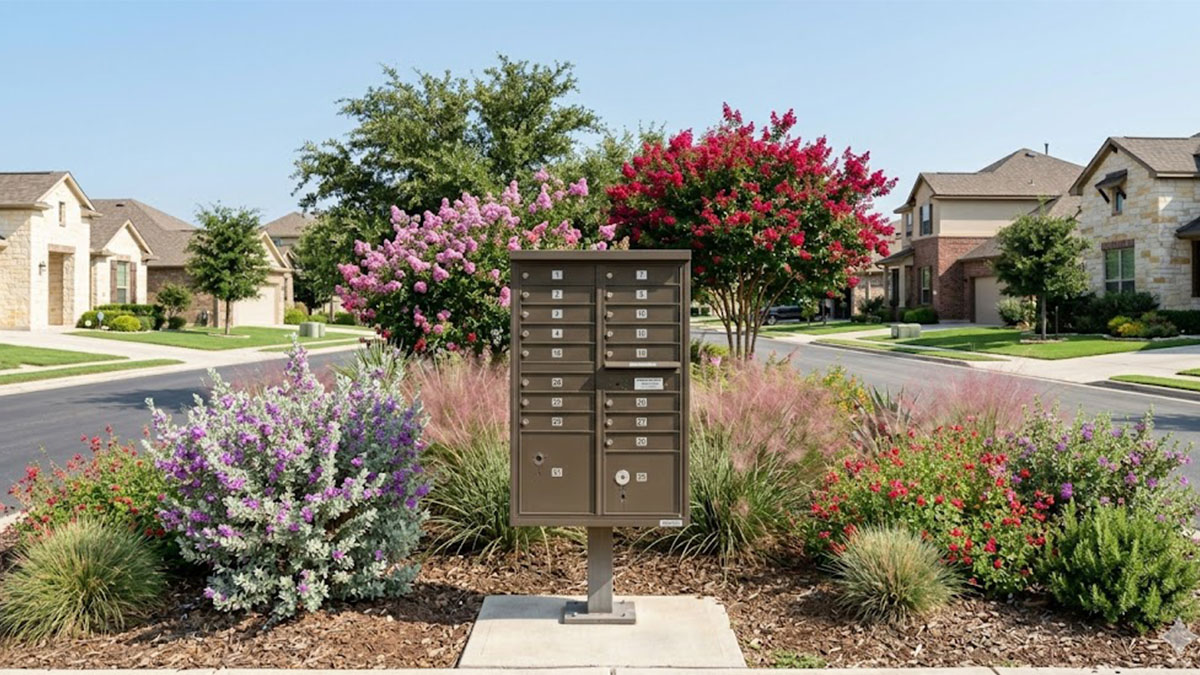
A severe thunderstorm rolls through your San Antonio neighborhood and drops a tree limb directly onto the cluster mailbox. Or a delivery truck clips the unit backing out of a parking area. By the next morning, residents are posting photos on the community Facebook page, calling board members directly, and demanding answers about when mail service will return. Sound familiar?
This situation is playing out in communities across the San Antonio metro. In one northeast Bexar County neighborhood, residents went more than a year without fully restored mail delivery after their cluster mailbox was damaged. That’s not an outlier. It’s what happens when boards don’t have a clear picture of who’s responsible, what the process looks like, and how long resolution actually takes.
This guide breaks down cluster mailbox responsibility for San Antonio HOA boards, walks through the real costs involved, and lays out the operational steps your board should have in place now, before the next incident puts you in reactive mode.
Why Cluster Mailbox Problems Hit San Antonio HOAs Hard
Cluster mailboxes concentrate risk into a single point of failure. One storm, one vehicle collision, or one piece of falling debris can disrupt mail service for dozens of households at once, turning a single incident into a community-wide operations problem overnight.
San Antonio’s rapid residential growth means more cluster mailbox installations across the metro, and weather damage and accidental collisions are a persistent reality in neighborhoods across Bexar County. New developments on the north and northwest sides of the city rely almost exclusively on centralized mail delivery, which means more communities are exposed to this exact scenario.
Residents treat mail access the way they treat water or electricity. When a community mailbox is damaged or knocked out of service, they expect the board to have answers immediately, whether or not the board actually controls the repair timeline. That expectation gap is where governance friction starts.
Who Is Responsible for Cluster Mailbox Repair and Replacement?
In most San Antonio HOA communities, the HOA or property owner is responsible for purchasing, maintaining, repairing, and replacing cluster mailbox units. USPS has stated publicly that these responsibilities fall on the customer, property management, or HOA where applicable.
This catches many boards and residents off guard. The assumption that USPS handles cluster mailbox repairs is one of the most common misunderstandings in community association management. USPS may retain ownership of certain postal components, including master access locks (sometimes called arrow locks), which affects coordination timelines but does not shift the core maintenance and replacement burden away from the association.
The cost reality makes this even more urgent. Bids for cluster mailbox replacement in the San Antonio area have been reported in the $8,000 to $9,000 range for a single unit. That’s an expense that can blindside a board operating on a tight annual budget, especially if the association hasn’t planned for it. HOA mailbox replacement is not a minor line item.
One important note: this is not legal advice. Responsibility structures vary by community. The determining factors are ownership and what your association’s governing documents actually say. Boards should verify against their own CC&Rs, original plat, and any USPS agreements on file before assuming the association is or isn’t on the hook.
How San Antonio Boards Should Verify Mailbox Ownership
The best time to confirm who owns and maintains your community’s cluster mailboxes is before an incident forces the question. Boards should check three things:
- Review your governing documents and CC&Rs for any language assigning cluster mailbox maintenance to the association or to individual homeowners.
- Check whether the community’s original plat or developer documents transferred mailbox infrastructure to the HOA when the community was built out.
- Determine whether there’s an existing USPS agreement on file that clarifies responsibilities or coordination protocols for your community’s mail delivery setup.
In older San Antonio communities or neighborhoods where infrastructure changed hands over time, ownership is not always obvious. Deed restrictions and recorded plats may contain language that was never highlighted during board transitions. Verify now, and keep the documentation where your management team and future board members can find it.
Why This Is More Than a Repair Bill
A damaged cluster mailbox is an operations, access, and trust issue for the entire community. It’s not just a maintenance line item on next month’s financial report.
The chain reaction boards underestimate starts with service disruption and escalates quickly. When mail delivery stops, elderly or disabled homeowners who can’t easily drive to a post office for temporary pickup are hit hardest. Residents start worrying about missing bills, delayed medications, and important documents sitting in limbo. And budgeting questions can turn into real conflict at the next board meeting if the association wasn’t financially prepared for the expense.
Communities with proactive financial planning, including healthy reserve fund contributions, are in a much stronger position to absorb unbudgeted infrastructure costs like cluster mailbox repair without deferring other maintenance priorities or levying a special assessment. This is one of the reasons long-range financial planning matters: it turns unexpected expenses into manageable ones.
What San Antonio HOA Boards Should Do Now
The best time to build a cluster mailbox response plan is before the next incident forces a rushed decision. Boards that have a documented process in place respond faster, communicate more clearly, and avoid the governance friction that comes from making it up as they go.
Four operational steps will put your San Antonio community in a stronger position.
Confirm Ownership and Document Responsibility
Create a simple “mailbox responsibility” file your board and management team can reference the moment an incident occurs. This file should include: who owns the cluster mailbox units, whether your governing documents assign maintenance to the association or to individual homeowners, whether the association has historically managed repairs (establishing precedent), and the local USPS contact information and preferred process for reporting service disruptions.
Having this on file before it’s needed eliminates the scramble of researching deed restrictions and chasing down USPS contacts while residents are already frustrated.
Build a Response Workflow Before You Need It
Boards don’t need a 20-page emergency plan. A one-page response workflow is enough to keep the process organized and moving. Define who documents the incident and photographs the damage, who contacts USPS and the insurance carrier, who gathers repair or replacement bids from approved vendors, who has authority to approve emergency spending if the board can’t convene quickly, and who is responsible for resident updates.
This is operational precision, not bureaucracy. The goal is speed and clarity so that no single board member is carrying the entire burden while everyone else waits for direction.
Communicate With Residents Like an Operator
When residents can’t access their mail, silence and vague reassurances make the situation worse. Boards should establish a steady cadence of updates from the first day: what is confirmed, what is in progress, and what happens next.
Even a short message like “no change yet, next update Friday” reduces confusion and keeps residents from filling the information vacuum with speculation. Residents don’t need certainty right away. They need clarity, consistency, and visible forward movement from the board. The communities that handle disruptions well are the ones that communicate proactively, even when the news is “we’re still waiting.”
Treat Prevention as Part of the Fix
Replacing a damaged unit without addressing the conditions that led to the incident invites a repeat. After a cluster mailbox incident, boards should evaluate the location and environment around the unit.
Is the unit positioned where vehicles routinely back up or turn around? Are overhanging tree limbs creating a hazard that landscaping crews should address? Is the area graded properly to avoid water pooling and accelerated rust or foundation shifting? Would a protective bollard or curb stop reduce the risk of another vehicle strike? Not every community needs every measure, but if damage recurs, it usually means the placement or surroundings need attention. A facilities inspection focused on common area infrastructure can identify vulnerabilities before they become repeat problems.
Frequently Asked Questions
Who is responsible for cluster mailbox repair in a San Antonio HOA?
In most cases, the HOA or property owner is responsible for cluster mailbox repair and replacement. USPS has stated publicly that the purchase, installation, maintenance, and replacement of cluster mailbox units fall on the customer, property management, or HOA. Boards should verify responsibility by reviewing their governing documents, the original community plat, and any USPS agreements on file. The answer depends on what your association’s CC&Rs say about who is responsible for broken mailboxes and common area infrastructure.
How much does it cost to replace a cluster mailbox?
Replacement bids in the San Antonio area have been reported in the $8,000 to $9,000 range for a single cluster mailbox unit, though costs vary based on size, configuration, and vendor. This is often an unbudgeted expense, which is why proactive reserve planning and a documented response process matter. Communities that plan for infrastructure costs through consistent reserve fund contributions avoid emergency financial scrambles when an HOA mailbox replacement becomes necessary.
What should an HOA board do when a cluster mailbox is damaged?
Document the damage immediately, contact USPS to report the service disruption, gather repair or replacement bids from qualified vendors, and communicate with residents from day one. A pre-built response workflow makes every step faster and keeps the process organized. Boards should have ownership documentation, vendor contacts, and a resident communication template ready before an incident occurs so the response is structured, not reactive.
Does USPS repair or replace cluster mailboxes?
Generally, no. USPS has stated that the purchase, installation, maintenance, and replacement of cluster mailbox units are the responsibility of the property owner, management company, or HOA. USPS may retain control of certain postal components like master access locks, which can affect coordination timelines and lock replacement scheduling. Meeting USPS cluster mailbox requirements for approved hardware is the property owner’s responsibility, so boards should confirm specifications with their local post office before ordering replacement units.
Protect Your Community Before the Next Incident
If your San Antonio community hasn’t confirmed cluster mailbox ownership and documented a response process, the time to do it is now. Knowing who is responsible, having vendor contacts ready, and building a communication plan before the pressure hits gives your board the ability to respond with confidence instead of scrambling for answers.
A short, resident-ready summary of the process (who gets contacted, how updates will be delivered, and where to go for temporary mail access during disruptions) builds credibility with homeowners and reduces conflict at the board level.
This is the kind of operational groundwork that separates communities that handle infrastructure problems cleanly from the ones still figuring it out weeks later. At RISE Association Management Group, documenting ownership, building response workflows, coordinating with USPS, and keeping residents informed through disruptions is part of how we manage San Antonio communities every day. It’s not a special project. It’s the standard.